
What GTA VI Gets Right About Sports Sponsorship
By Kiran Sidhu
While most sponsors want their name on a team’s shirt, Rockstar Games is going further.
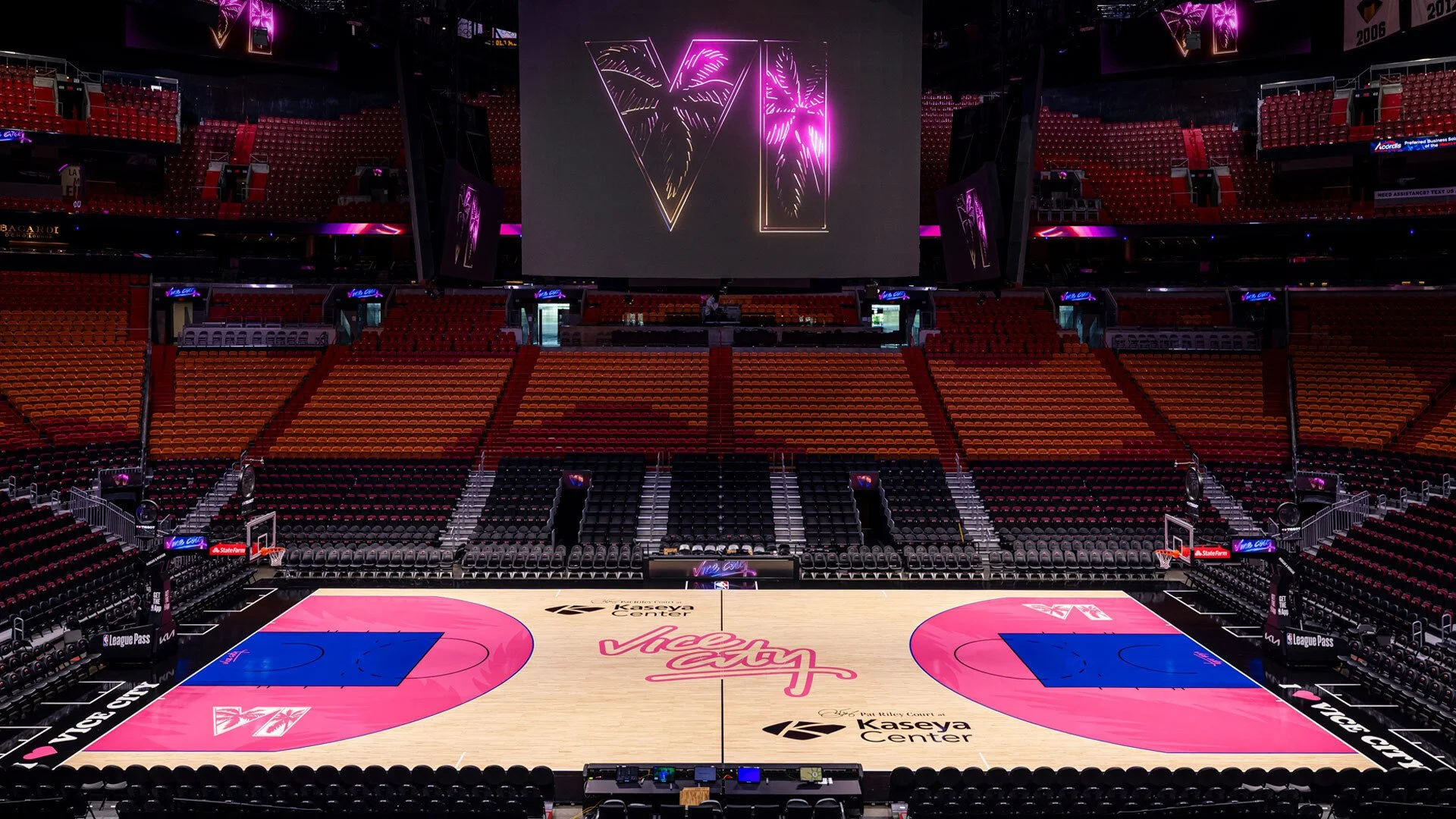
On 18 November, the Miami Heat will bring Vice City, the fictional setting of Grand Theft Auto VI, to the basketball court.
It’s an eye-catching idea, but the lesson isn’t about the scale of the takeover. It’s about connecting what fans already love about sport with something distinctive a brand brings. That gives people a reason to engage with the partnership, rather than notice the sponsor.
GTA brings a huge audience of its own. Take-Two’s November 2026 figures put the series at nearly 480 million copies sold, including nearly 235 million for GTA V alone since 2013. Anticipation for the latest instalment was clear long before launch. GTA VI’s first trailer attracted more than 90 million YouTube views in 24 hours in December 2023, a Guinness World Record for a videogame reveal.
That following changes the relationship between sponsor and team, because Rockstar isn’t just paying to reach Miami Heat fans. It brings an audience of its own, giving the Heat access to people who might never follow basketball.
Rockstar still knows the value of a straightforward reminder, with GTA VI appearing on the pitchside advertising boards during Barcelona’s match against Real Madrid at Spotify Camp Nou on 25 October to promote its 19 November release.
There’s nothing wrong with using advertising to remind people a launch is coming but being seen and giving people something to talk about are different things.
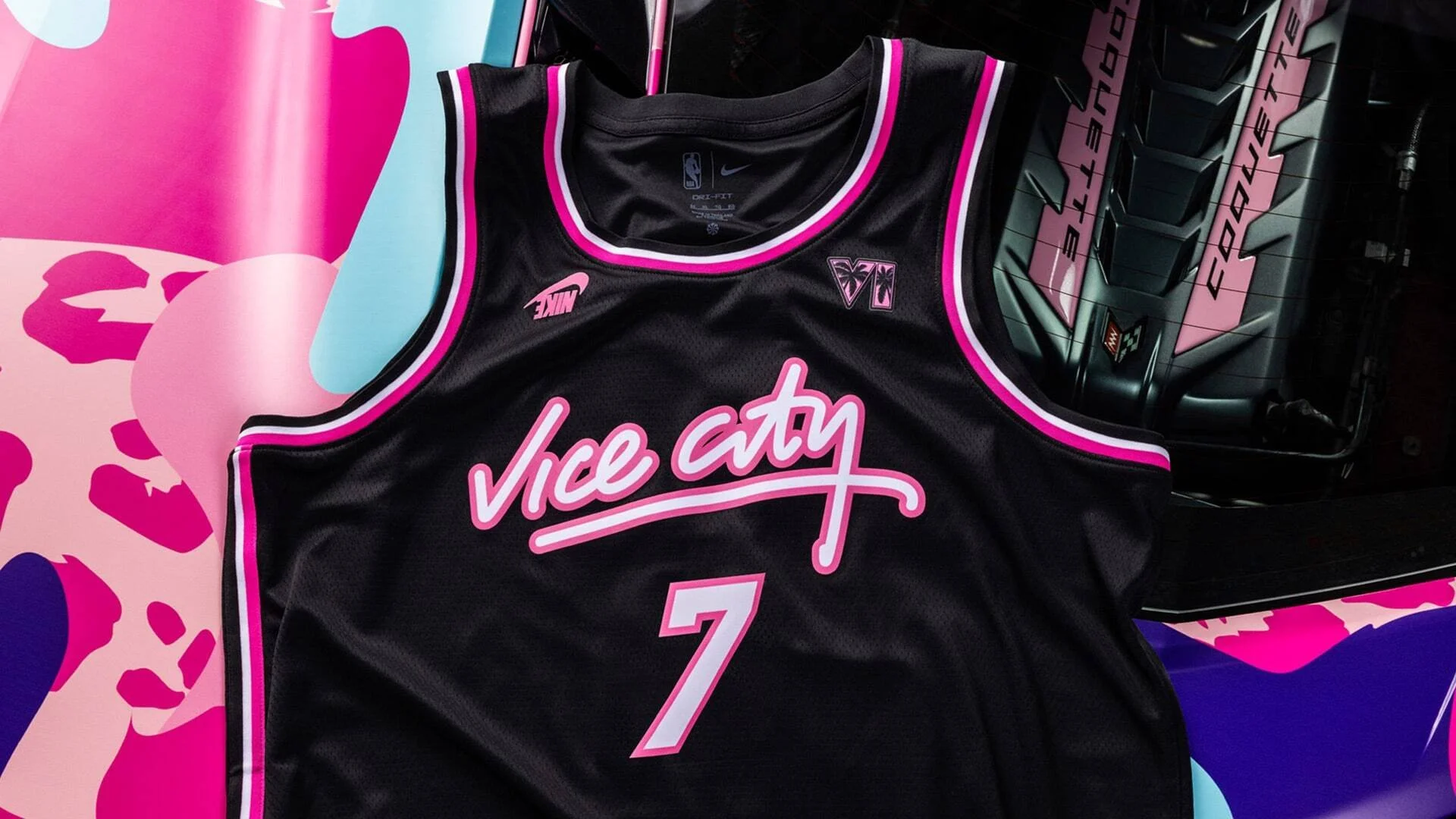
On 18 November, the Heat will host the Milwaukee Bucks for A Night in Vice City. The Kaseya Center will have a special court, Nike x Cactus Jack uniforms, cars and music from the game, and food stands featuring its fictional restaurants, Burger Shot and Cluckin’ Bell. A giant Welcome to Vice City sign already sits on the roof.
Crucially, the connection makes sense because Vice City is inspired by Miami and the Heat have used Vice-themed designs for years. The partnership builds on something fans already recognise rather than asking them to buy into a new reality.
Raise your brand’s wanted level
That connection is what other sponsors can learn from Miami. Rockstar brings the world of GTA to a team with a natural link to it. Music, fashion and gaming can all make a partnership more appealing, provided the brand gives fans something they actually want.
For Spotify, that contribution was music. When The Rolling Stones’ logo replaced its own on Barcelona’s shirt for the October 2023 Clásico, celebrating Hackney Diamonds, shirts, a clothing collection and a matchday playlist gave people ways to join in. Like Rockstar in Miami, Spotify brought something from its own world into the matchday experience. Stepping back from the shirt logo made that contribution, rather than its branding, the story.
PSG x Jordan made that connection through fashion. Its 2018 launch brought together football kits, trainers and everyday clothing, giving fans a way to wear the partnership beyond matchday. Where Rockstar brings its world into the arena, Jordan helps take the club into everyday life. The common thread isn’t more merchandise; it’s using what the brand brings to create something fans might want in its own right.
Burger King’s Stevenage sponsorship shows that the same principle doesn’t depend on a global club or a brand with Rockstar’s following. Knowing Stevenage’s shirt would appear in FIFA 20, Burger King offered food rewards for players completing in-game challenges. It connected its product with something gaming fans already enjoyed, giving them a reason to choose a club they might otherwise have overlooked. According to WPP’s campaign account, Stevenage sold out its home shirt for the first time in the club’s history. The value wasn’t simply having a logo in the game; it was giving people something to do with it.
What can your brand offer fans?
The strongest sponsorships give fans something they value, not just another logo to look at. For brands, the starting point isn’t a stadium takeover. It’s understanding what they can add to something fans already enjoy - a useful service, something worth keeping or a chance to play.
Start there, then work out which parts of the partnership can bring it to life. A shirt, a social post or a player appearance should support the idea, not be the idea.
It’s also worth deciding what you want people to do afterwards, whether that’s talk about the brand, try a product, buy something or come back again, because a busy comment section doesn’t tell you that on its own.
There are limits, too, because not every brand suits every audience and existing sponsors need consideration, so what works for Miami won’t automatically work for another club.
The lesson from GTA VI, Spotify, Jordan and Burger King isn’t that every sponsorship needs to be bigger or louder. Each connects something the brand can offer with something fans already care about. The execution changes, but that connection gives the partnership a reason to exist.
Rather than asking where your logo will go, ask what fans would miss if your brand wasn’t involved.